The Shift from Clipboards to Cloud in the SA Food Industry
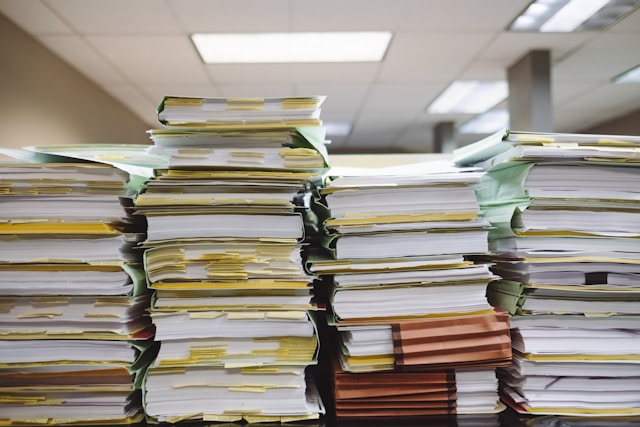
For decades, the standard image of a South African food quality manager involved a heavy lever-arch file and a clipboard. Whether you were managing a bakery in Soweto or a high-risk meat processing plant in Epping, the "paper trail" was the only way to prove compliance. But times have changed. The administrative burden of maintaining a manual Food Safety Management System (FSMS) has become a bottleneck for growth and a significant risk during audits.
Today, South African food businesses are rapidly adopting food safety documentation software to streamline their operations. This shift isn't just about saving trees; it’s about surviving a landscape of stricter R.638 regulations, rising consumer expectations, and the rigorous demands of GFSI-benchmarked standards like FSSC 22000 and BRCGS.
Regulatory Pressure: R.638 and the Environmental Health Practitioner
In South Africa, the Department of Health’s Regulation 638 (R.638) governs the general hygiene requirements for food premises. If you’ve ever had a visit from a local Environmental Health Practitioner (EHP), you know the first thing they ask for is your Certificate of Acceptability and your hygiene records. Records that are smudged, incomplete, or—worst of all—backdated during the inspection are a one-way ticket to a non-compliance notice.
Digital systems ensure that records are time-stamped and tamper-proof. When an EHP walks into a facility using modern software, the business can pull up cleaning schedules, pest control logs, and temperature monitoring data in seconds. This transparency builds immediate trust, proving that the business isn't just "doing the paperwork" for the sake of the inspector, but actually managing food safety in real-time.
The Hidden Costs of Paper
Many QA leads argue that paper is "free." However, when you factor in the cost of printing, the physical space required for 5-year archiving (as often required by law), and the hundreds of man-hours spent manually reviewing sheets for missing signatures, the "free" system becomes incredibly expensive. Food safety documentation software automates these reviews, alerting managers to gaps before they become audit findings.
Comparison: Paper-Based vs. Digital Food Safety Systems
| Feature | Paper-Based System | Digital Documentation Software |
|---|---|---|
| Data Entry | Manual, prone to errors/omissions. | Guided entry, mandatory fields, real-time validation. |
| Audit Readiness | Days of preparation to organize files. | Instant access to any record; 100% audit-ready. |
| Traceability | Manual "paper-chase" (hours or days). | Automated, batch-linked records (minutes). |
| Corrective Actions | Often forgotten in files. | Automated notifications and CAPA tracking. |
| Reporting | Manual data entry into Excel for trends. | Real-time dashboards and trend analysis. |
Meeting Global Standards (FSSC 22000, ISO 22000 & BRCGS)
For South African exporters or those supplying major retailers like Shoprite, Checkers, or Woolworths, having a robust HACCP plan is mandatory. Standards like FSSC 22000 and ISO 22000 place a heavy emphasis on internal audits and continuous improvement. Managing these through paper often leads to a "reactive" culture where problems are only caught weeks after they occur.
By using food safety documentation software, businesses can integrate their prerequisite programmes (PRPs) directly into daily digital workflows. For example, if a fridge temperature deviates from a critical limit, the software can automatically trigger a root cause analysis workflow, ensuring that the deviation is handled according to the documented procedure immediately.
"Digital systems turn food safety from a static document into a living, breathing part of the production floor. It moves the responsibility from the QA Manager's desk to the hands of the operators."
Strengthening South African Food Safety Culture
One of the biggest challenges in SA food plants is fostering a positive food safety culture. When staff view documentation as a tedious "form-filling" exercise at the end of a shift, the quality of data suffers. Digital tools, often accessed via tablets or rugged handhelds on the factory floor, make the process more engaging.
Visual aids, multilingual interfaces, and instant feedback loops help staff understand why they are taking a measurement, rather than just that they have to do it. This shift in mindset is critical for passing modern audits that now include culture assessments as a mandatory component. If your team is struggling with these concepts, consider food safety culture leadership training to bridge the gap between software and people.
Traceability and Recall Preparedness
In the wake of various high-profile food safety incidents in South Africa, traceability has become a non-negotiable priority. A paper-based system makes a "mock recall" an exhausting exercise in cross-referencing delivery notes, production logs, and dispatch records.
With a digital QMS, traceability is "one-click." You can track an ingredient from a specific supplier through every internal process to the final customer. This level of precision doesn't just satisfy auditors; it protects the business from the astronomical costs associated with a full-scale food recall by allowing for targeted withdrawals.
Checklist: Is Your Business Ready for Digital QMS?
- Do you spend more than 4 hours a week preparing for audits or reviewing records?
- Have you ever had a non-conformity due to missing signatures or lost records?
- Does it take more than 2 hours to complete a full traceability exercise?
- Are your supplier records and COAs currently stored in physical folders?
- Do you struggle to identify recurring trends in your micro-testing or sensory data?
If you answered "Yes" to two or more of these, it is time to look at food safety documentation software solutions like Shilux's QMSure platform.
Conclusion: The Future is Digital
The South African food industry is at a crossroads. As retailers tighten their requirements and the Department of Health increases its focus on R.638 enforcement, the risk of staying with paper grows every day. Switching to a digital system is an investment in your brand’s reputation and your operational efficiency.
At Shilux, we specialize in helping South African food businesses transition from legacy paper systems to modern, audit-ready digital solutions. Whether you need a gap audit to see where your current system stands or comprehensive quality management consulting, we are here to support your journey toward digital excellence.
Ready to ditch the files and future-proof your facility? Book a consultation with Shilux today and let us show you how digital food safety documentation can transform your business.