How Digital Food Safety Systems Fight Waste and Protect Margins
In the South African food manufacturing sector, food waste isn't just an environmental concern; it is a direct drain on profitability. Many local facilities still rely on clipboards and filing cabinets to manage their Quality Management Systems (QMS). However, the manual nature of paper-based systems often leads to "hidden waste"—product lost due to transcription errors, missed monitoring intervals, or delayed responses to temperature deviations.
This case study explores how transitioning to a digital framework offers significant benefits of paperless food safety, focusing on how real-time data visibility reduces spoilage and ensures compliance with DOH R.638 and international standards like BRCGS Food Issue 9.
The Problem: The Cost of Paper-Based Inefficiency
A mid-sized poultry processor in Gauteng was struggling with high levels of rework and waste. Despite having a certified HACCP system, they were losing approximately 4% of finished goods to spoilage caused by cooling deviations. The root cause was not equipment failure, but delayed information: temperature logs were checked manually every four hours, meaning a deviation could occur for 239 minutes before being detected.
Key pain points included:
- Delayed corrective actions due to paper logs being filed only at the end of shifts.
- Illegible handwriting leading to "non-conformance" during internal audits.
- High administrative costs associated with physical document storage.
The Solution: Implementing a Paperless QMS
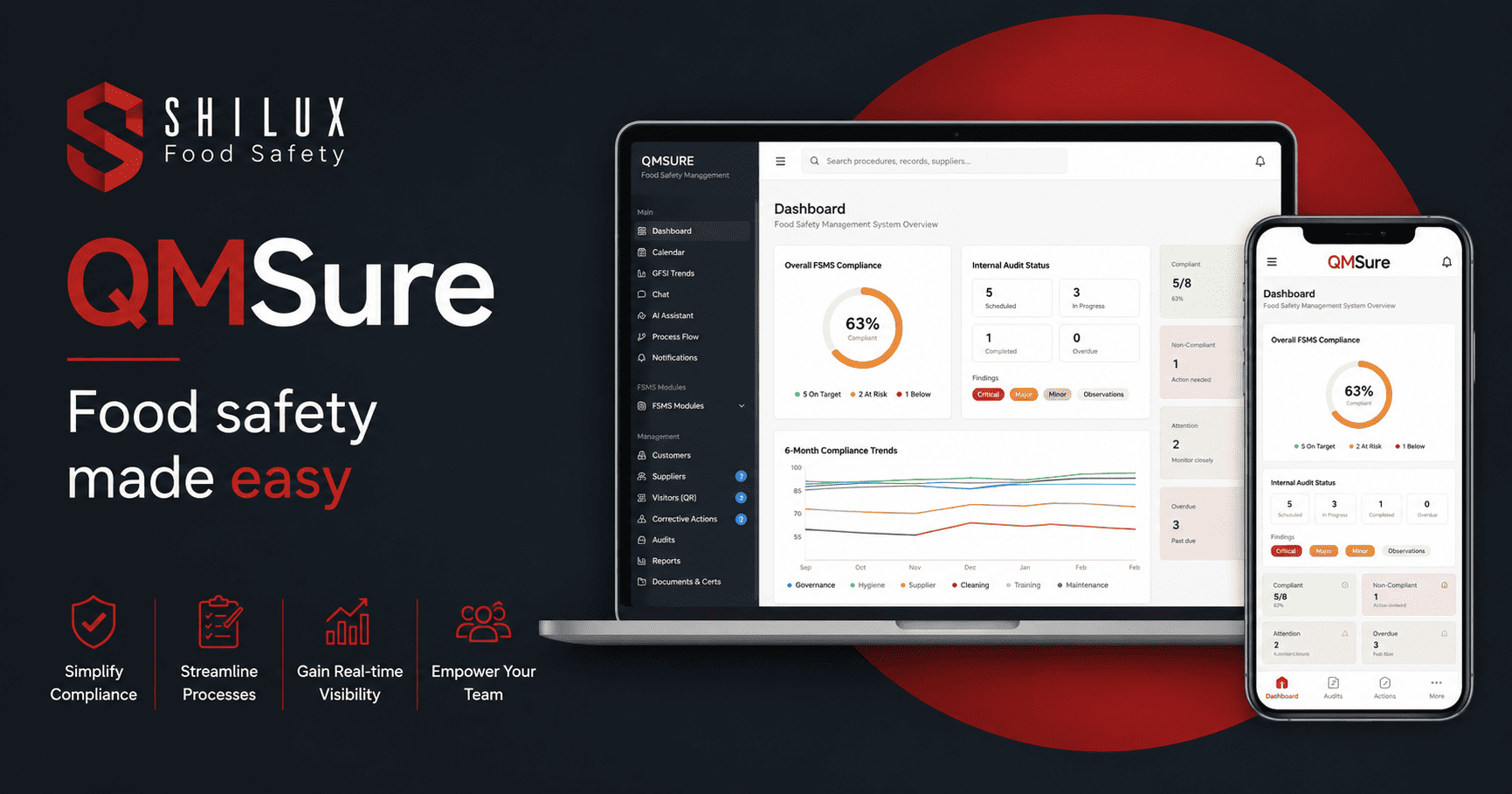
The facility moved from physical logbooks to a cloud-based QMS. By digitising their HACCP implementation, they established real-time alerts. If a fridge temperature crossed a critical limit, the QA lead received a notification instantly, allowing for immediate intervention before the product reached a hazardous state.
| Feature | Manual System | Paperless QMS |
|---|---|---|
| Data Logging | Subjective, prone to error | Automated, timestamped |
| Response Time | Hours/Days (Reactive) | Seconds (Proactive) |
| Audit Readiness | Weeks of preparation | Instant (Real-time reports) |
| Waste Reduction | High (Waste identified post-hoc) | Low (Preventative control) |
Key Benefits of Paperless Food Safety for South African Producers
Beyond environmental impact, the benefits of paperless food safety translate directly to the bottom line. In South Africa, where electricity instability (load shedding) threatens the cold chain, digital monitoring is no longer a luxury—it is a survival tool.
1. Real-Time Monitoring and Rapid Intervention
Digital systems integrated with IoT sensors allow for continuous monitoring of Critical Control Points (CCPs). When a deviation occurs, the system triggers a workflow based on your pre-defined root cause analysis procedures. This prevents entire batches from being discarded due to lack of evidence that the cold chain was maintained.
2. Improved Compliance with R.638 and SANS 10330
Local health inspectors and certification bodies look for evidence of consistent control. A paperless system ensures that no records go missing. It supports the requirements of SANS 10330:2020 by providing a clear, unalterable audit trail of monitoring, verification, and validation activities.
"Moving to a digital system changed our food safety culture. Staff no longer view logs as a chore to be completed at the end of the day, but as a live tool to protect the product." — QA Manager, South African Food Lead.
3. Streamlined Supplier Quality Assurance
Food waste often starts at the receiving bay. By digitising your supplier quality assurance, you can reject sub-standard raw materials instantly if they don't meet your digital specifications, preventing high-risk ingredients from entering your production line and causing downstream waste.
Maximising ROI Through Training
Software alone cannot fix a broken culture. The most successful waste reduction strategies combine digital tools with targeted training. Proficiency in digital tools must be backed by a strong understanding of basic food safety principles. For supervisors, ensuring they understand their role in a digital environment via HACCP for supervisors training is essential for bridging the gap between data and action.
Conclusion: The Future is Digital
Reducing food waste is a multi-faceted challenge, but the transition to a paperless QMS provides the data-driven foundation required to succeed. By eliminating manual errors and enabling proactive interventions, South African food businesses can protect their margins while ensuring the highest standards of consumer safety.
Is your facility ready to transition away from inefficient paper systems? Book a consultation with Shilux to learn how our digital solutions and professional training can streamline your food safety management.